Venice, Arsenale and Giardini
8 May - 21 November 2027
(pre-opening on 6 and 7 May)
Architecture -
Do Architecture — For the Possibility of Coexistence Facing a Real Reality
The title of Biennale Architettura 2027 curated by Wang Shu and Lu Wenyu.
Biennale Architettura 2027
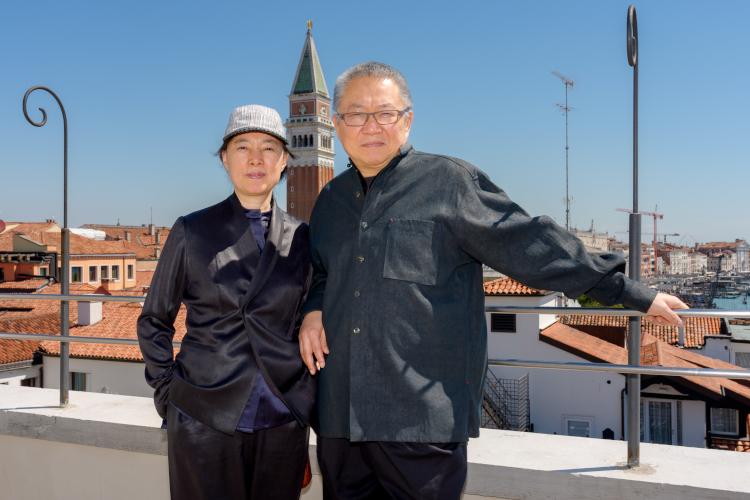
The President of La Biennale di Venezia, Pietrangelo Buttafuoco, and the Curators of the 20th International Architecture Exhibition, Wang Shu and Lu Wenyu, today announced the title and theme of the Biennale Architettura 2027, which will take place from 8 May to 21 November 2027 (pre-opening 6 and 7 May) at the Giardini, the Arsenale and various venues in Venice.
The title of the Biennale Architettura 2027 is
Do Architecture
—For the Possibility of Coexistence Facing a Real Reality
The 20th International Architecture Exhibition will present, as usual, the National Participations with their own exhibitions in the Pavilions at the Giardini and at the Arsenale, as well as in the historic centre of Venice.
Biennale Architettura 2027 will be made possible by the support of Rolex, Exclusive Partner and Official Timepiece of the event.
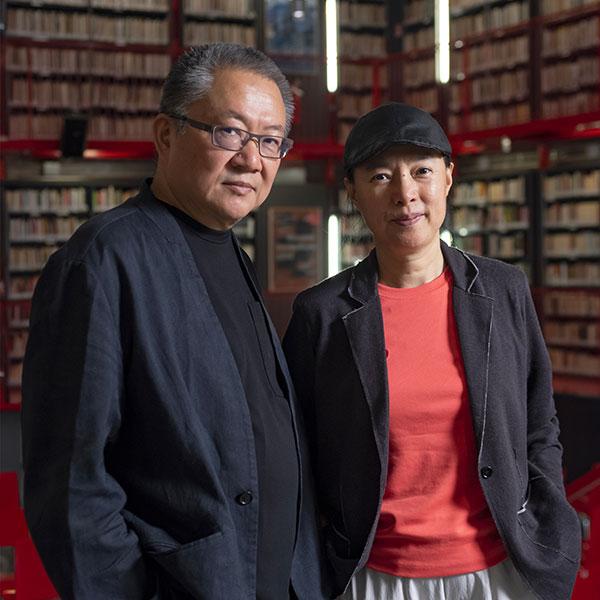
Wang Shu and Lu Wenyu
Explaining their choice Wang Shu and Lu Wenyu said: « All these questions point to one essential path: facing real reality and local practice, and directly “do architecture”, especially a kind of “do” that is grounded in bodily touch. It is precisely through this concrete act of “do” that things which seem impossible to bring together can gather in one place. This is the theme we propose for the Biennale Architettura 2027: Do Architecture —For the Possibility of Coexistence Facing a Real Reality».
«In the face of global climate change, can active and passive approaches to design, strategy, and technology work alongside one another? Can land and architecture coexist? Can more natural materials and local craftsmanship overcome conceptual and technical barriers to stand alongside modern design and construction as their primary components? Can memory and innovation coexist dialectically? Can the efficiency of modern design and construction coexist with slower, more meaningful forms of craftsmanship? Can we resolve the conflict between urban and rural models of development? Is there a way for them to coexist while preserving the vulnerable character of rural areas?»
«We believe that architecture is not only something to be discussed but, more importantly, something to be done first-hand. The philosophy of architecture is a philosophy of how to do: a practice that confronts real reality, in real places, through real construction».
«We believe that architecture as an effort to protect local cultural heritage can coexist with architecture as an avant-garde force for social transformation. Only in this way can architecture preserve its value in an age flooded by technology. Only in this way can humanity, through architecture, preserve a tangible value. Only through continuous struggle can hope be kept alive».
Pietrangelo Buttafuoco
For his part, President Pietrangelo Buttafuoco stated:
«Wang Shu and Lu Wenyu return architecture to its most concrete, physical and essential dimension: that of building in direct relation to the land, to the materials, to the communities, and to the reality of places. Their philosophy reaffirms the value of ‘doing’ as a cultural, ethical and constructive act, shunning spectacle and global standardisation. Through the reuse of materials, traditional craftsmanship and slow transformation processes, they propose a vision of architecture that incorporates the past as a living matter of the present. A striking example is the University Campus of the China Academy of Art in Hangzhou, which they designed and experienced on a daily basis together with the students of the Architecture courses. This is also the reason that persuaded me to appoint them as Directors of the Biennale Architettura 2027: finding myself—and moving—within their buildings was the most formidable of counter-examples to the most convincing of theories. The theme chosen for the Biennale Architettura 2027, Do Architecture —For the Possibility of Coexistence Facing a Real Reality, thus takes on the meaning of an invitation to build possibilities for coexistence between nature and artifice, between innovation and memory, between contemporary design and local cultures. Their appointment as Artistic Directors of the Architecture Department recognizes in this discipline the capacity to root itself in the reality of territories, and to transform them while safeguarding their complexity».